
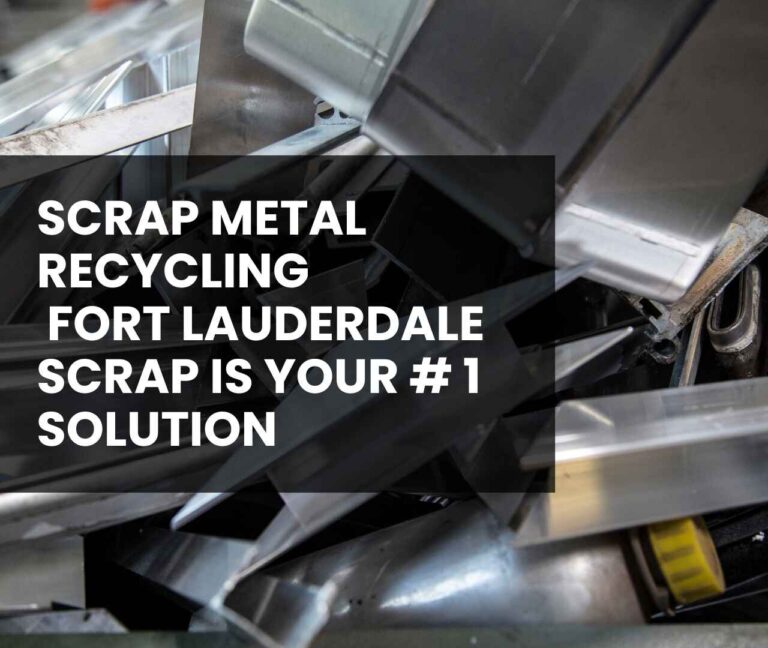
Scrap metal recycling is the process of recovering valuable metals from unwanted materials and converting them into reusable resources. From old appliances and construction materials to industrial equipment, recycling helps reduce waste, conserve natural resources, and support a more sustainable future.
Understanding how scrap metal recycling works can help individuals and businesses make better decisions when handling unwanted metal materials.
At Fort Lauderdale Scrap, we take pride in our comprehensive recycling services, offering top-tier solutions for scrap metal, electronics, batteries, air conditioners, junk removal, and even junk cars for cash. Our expert team, unparalleled customer service, and competitive pricing make us the preferred choice in Miami, Fort Lauderdale, and surrounding areas. Let’s dive into everything you need to know about scrap metal recycling and why Fort Lauderdale Scrap is the perfect partner for all your recycling needs.
How Does Scrap Metal Recycling Work?
Scrap metal recycling follows a structured process that transforms discarded metal into reusable material.
1. Collection
Metal materials are collected from homes, businesses, construction sites, and industrial locations.
2. Sorting
Collected materials are separated based on metal type, quality, and whether they are ferrous or non-ferrous.
3. Processing
Metals are cleaned, prepared, and processed into smaller pieces to make recycling more efficient.
4. Melting and Purification
Processed metals are melted and purified to remove unwanted materials.
5. Manufacturing
Recovered metals are transformed into new products used in construction, manufacturing, automotive, and other industries.
Why Is Scrap Metal Recycling Important?
Scrap metal recycling helps protect the environment and creates economic value by keeping useful materials in circulation.
Benefits include:
Reduces Landfill Waste
Recycling prevents valuable metals from being unnecessarily discarded.
Conserves Natural Resources
Reusing metals reduces the demand for new mining and extraction.
Saves Energy
Producing metal from recycled materials requires less energy compared to raw materials.
Supports Sustainability
Recycling contributes to a cleaner environment and responsible resource management.

Common Sources of Scrap Metal
Scrap metal comes from many everyday sources, including residential, commercial, and industrial materials.
Examples:
- Old appliances
- Construction materials
- Electrical wiring
- Plumbing materials
- Machinery parts
- Automotive components
- Industrial equipment

Types of Scrap Metal That Can Be Recycled
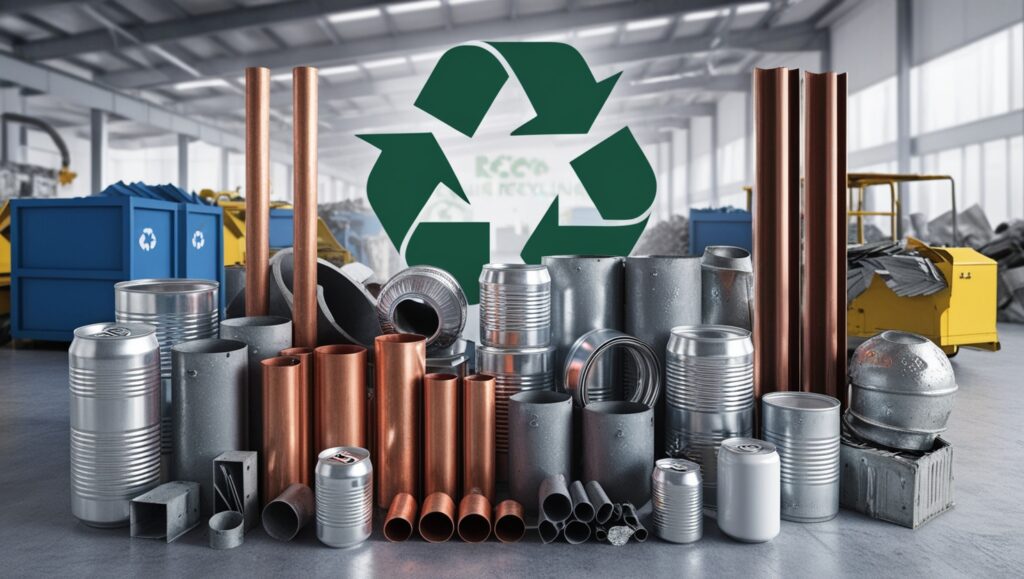
Many different metals can be recycled, including both ferrous and non-ferrous materials. Common recyclable metals include:
- Aluminum – from cans, construction materials, etc.
- Copper – wires, pipes, and electrical components.
- Brass – fixtures, plumbing supplies, and hardware.
- Stainless Steel – appliances, kitchen sinks, etc.
- Lead – batteries, pipes, and more.
- Nickel – alloys, plating, and more.
- Electric Motors – from industrial equipment and appliances.
- Zinc – castings, alloys, and roofing materials.
Don’t see your type of scrap metal on this list? Contact us to ask about other metals we accept.
What Happens After Scrap Metal Is Recycled?
After scrap metal is collected and processed, it is reused to create new products. Recycled metals can be used in construction materials, automotive parts, electronics, machinery, and many other applications.
What types of metals are accepted for recycling?
At Fort Lauderdale Scrap, we accept aluminum, copper, brass, stainless steel, lead, electric motors, and more. If you have a specific type of metal, contact us for details.
How Much Scrap Metal Can Be Recycled?
Almost all common metals can be recycled, including copper, aluminum, steel, brass, stainless steel, and other recyclable materials. The recycling process depends on the metal type and condition.
Is Scrap Metal Recycling Better Than Throwing Metal Away?
Yes. Recycling reduces landfill waste, saves energy, and allows valuable materials to be reused instead of discarded.
Tips for Preparing Scrap Metal Before Recycling
Before recycling scrap metal:
Check which materials are accepted
Separate different metal types
Remove unnecessary non-metal materials
Keep materials clean and organized
.
